Piscataway Locksmith Service Team
Local locksmith team
Jul 2, 2026 13 min read
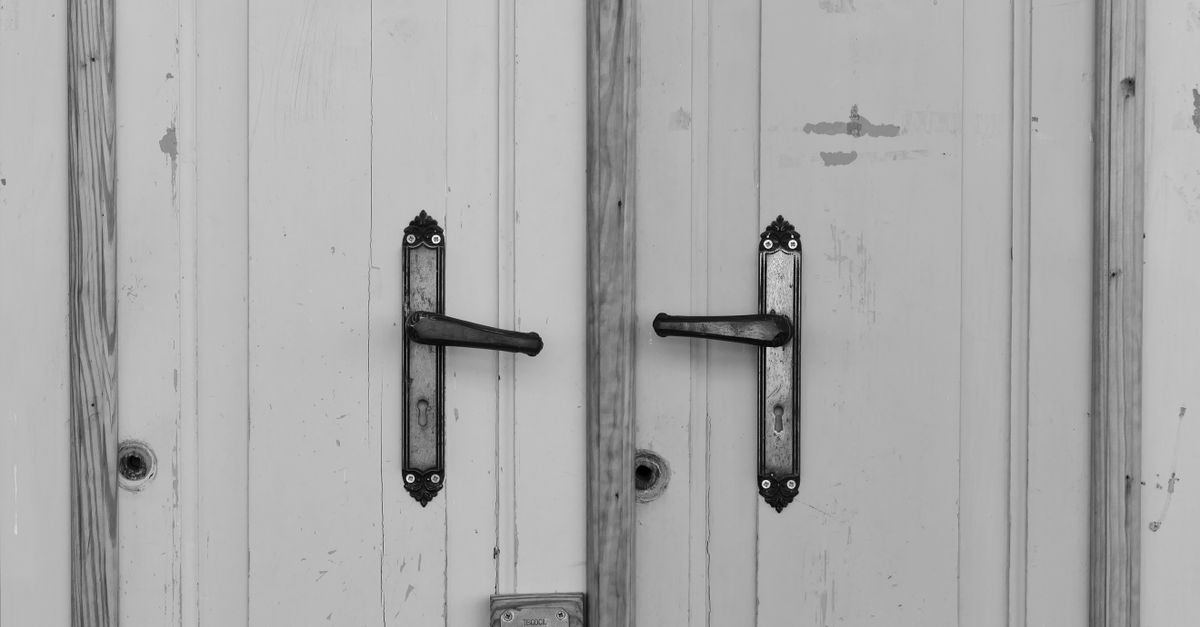
If you live in an older home near Rutgers University, along Stelton Road, or in one of Piscataway's established mid-century neighborhoods, there's a good chance your front door doesn't use the standard tubular latch most people picture when they think of a door lock. Instead, it may be secured by a mortise lock — a heavy-duty, rectangular lock body that sits inside a pocket (or "mortise") cut directly into the edge of the door. These locks were the gold standard of residential and commercial security for most of the 20th century, and they're still doing their job in thousands of Piscataway homes today.
Understanding what type of lock is on your door matters more than most homeowners realize. It affects which keys you can copy, which cylinders can be rekeyed, whether a locksmith needs to bring specialty parts, and what happens when you get locked out at midnight. This guide will help you identify whether you have a mortise lock set, explain why older Piscataway houses are so likely to have one, and walk you through the practical decisions that come with owning — or upgrading — this classic hardware.
## What Is a Mortise Lock, and How Is It Different from a Standard Knob Lock?
A mortise lock is a self-contained lock mechanism housed in a rectangular metal case that is recessed entirely into the body of the door. Unlike a standard cylindrical lock — the kind where a simple bored hole holds a knob-and-latch assembly — a mortise lock requires a precise rectangular pocket to be chiseled or routed into the door's edge. The lock case itself contains multiple working parts: a deadbolt, a spring latch, and sometimes a privacy button or auxiliary latch, all in one unit. On the door face, you'll typically see a trim plate (called an escutcheon), a separate door knob with lock and key function, and often a thumb-turn for the deadbolt — all mounted over that single large case.
The easiest way to spot one from the outside is the faceplate on the door edge. A mortise lock set has a tall, narrow metal faceplate — often three to five inches long — flush with the door stile. Cylindrical locksets, by contrast, show only a small round latch face. If you see that tall faceplate, or if your door has separate knob and deadbolt functions that feel mechanically linked inside one elegant escutcheon plate, you almost certainly have a mortise system. Brands like Corbin Russwin and Baldwin were widely specified for exactly this kind of installation, and their hardware is still found on doors throughout central New Jersey.
## Why So Many Older Piscataway Homes Still Have a Mortise Lock
Piscataway's residential neighborhoods developed heavily from the 1940s through the 1970s — think the streets off River Road, the Colonial Manor area, and the ranch-style homes tucked between New Brunswick Avenue and Metlars Lane. During that entire era, mortise locks were essentially the default choice for exterior doors on quality construction. Builders and contractors specified them because they were robust, multi-functional, and harder to kick in than a simple tubular knob lock. The result is that a huge share of Piscataway's housing stock was built with mortise hardware already installed — and because these locks are built to last generations, many of them are still original to the house.
There's also a practical reason they've stuck around: replacing a mortise lock set on an exterior door is not a simple swap-out. The door has been mortised (pocketed) specifically for that lock case, and fitting a modern cylindrical lockset in its place requires significant woodworking. Many homeowners and landlords simply maintain and rekey the existing mortise hardware rather than remodel the door — which is often the smarter call. If you've recently bought an older home in Piscataway and aren't sure what's on your doors, now is a great time to find out. Our team services and rekeying mortise lock cylinders across the area every day, and a quick inspection can tell you exactly what you're working with. Call (732) 518-3699 any time — we answer 24/7.
## How to Check Your Own Door: A Practical Identification Guide
Start at the door edge. Open your front door and look at the narrow edge facing you — that's the door stile. If you see a single tall, rectangular faceplate (typically brass, chrome, or aged steel) with both a latch bolt and a deadbolt visible within it, that's the telltale sign of a mortise lock. Next, look at the interior face of the door. Mortise trim usually features a solid escutcheon plate spanning from knob to thumb-turn, rather than two independently mounted pieces of hardware. The knob or lever will often feel more substantial than a typical residential knob, and the cylinder — the part your key actually enters — will sit within a threaded ring called a cam ring rather than being held by a simple retaining clip.
If you're still unsure, check the key itself. Mortise lock cylinders often use older key profiles — some Corbin Russwin mortise lock systems, for example, use a six-pin format with a distinctive bow shape that looks nothing like a modern house key. Baldwin mortise lock hardware tends to use more contemporary key profiles but is still identifiable by the premium weight of the hardware. One quick test: if your key is thinner or differently shaped than any modern key you own and the locksmith who last cut it had to pull out a specialized key blank, you're almost certainly dealing with a mortise cylinder. When in doubt, photograph the faceplate and escutcheon and send it to a qualified locksmith before assuming any standard hardware will work as a replacement.
## Mortise Lock Maintenance, Rekeying, and When to Call a Professional Emergency Locksmith
Because mortise hardware is mechanical and multi-part, it has more potential failure points than a simple knob lock — but it also responds well to maintenance. The most common issues are a latch that won't retract smoothly, a deadbolt that binds in cold weather (wood doors swell seasonally in central New Jersey's humid summers and cold winters), and a worn mortise lock cylinder that makes the key hard to turn or copy. A few drops of dry graphite lubricant — not WD-40, which attracts grit — applied to the latch and keyway twice a year can extend the life of your hardware significantly. If the entire lock case feels loose or the trim screws are backing out, the mortise pocket itself may have loosened over decades, which is a job for a skilled locksmith rather than a DIY fix.
Rekeying a mortise lock cylinder is straightforward for an experienced locksmith but requires the right pinning kit for the specific brand and profile — another reason it matters to identify your hardware before calling. If you're locked out of a home with a mortise lock set on an exterior door, do not attempt to force the hardware. The multi-bolt design means forced entry is more likely to damage the door than defeat the lock, leaving you with a costly repair on top of a lockout. Instead, check for a spare key with a neighbor or family member, verify that a side or rear door may be unlocked, and then call a professional emergency locksmith. Our mobile team carries the tooling and cylinder stock for the most common mortise lock formats found in Piscataway homes, so we can typically resolve a lockout or cylinder replacement in a single visit — day or night. How much a locksmith costs for any specific job depends on factors like the lock brand, cylinder type, time of the service call, and any parts required; we always confirm an exact price upfront before any work begins.
## Our Locksmith Services for Piscataway Homeowners and Businesses
Whether your door uses a century-old mortise lock or brand-new smart hardware, our mobile locksmith team covers the full range of residential, commercial, and automotive needs across Piscataway and the surrounding Middlesex County area. Here's a specific look at what we do: Residential Services: 1. Mortise lock cylinder rekeying and replacement 2. Mortise lock set installation on exterior doors 3. Deadbolt installation and upgrade (single and double cylinder) 4. Knob and lever lockset replacement 5. Door knob with lock and key rekeying for master-key systems 6. High-security lock upgrades (Medeco, Mul-T-Lock, Schlage B-series) 7. Schlage and Kwikset smart lock installation and programming 8. Lock-out response — residential, no forced entry 9. Broken key extraction from mortise and cylindrical locks 10. Door hardware realignment after seasonal wood movement 11. Sliding glass door lock repair and replacement 12. Window lock installation 13. Safe opening and combination change Commercial Services: 14. Commercial locksmith consultation for multi-unit residential and small business 15. Mortise lock set installation on commercial-grade steel and wood doors 16. Panic bar (exit device) installation and service 17. Access control system installation and rekeying 18. Master key system design and implementation 19. Cabinet and desk lock replacement 20. Mailbox lock replacement 21. High-security commercial deadbolt installation Automotive Services: 22. Car lockout service — all makes and models 23. Transponder key programming and cutting 24. Key fob replacement and programming 25. Ignition repair and replacement 26. Motorcycle and powersport lockout and key cutting Every call — whether it's an emergency locksmith response at 2 a.m. or a scheduled hardware upgrade — starts with a confirmed upfront price. The final quote reflects the lock type, the time of day, parts required, and travel to your location. No surprises. Call (732) 518-3699 — we're available 24 hours a day, every day of the year.
## Upgrading or Replacing Your Mortise Hardware: What You Should Know First
If your mortise lock is original to a 1950s or 1960s Piscataway home, it may be 60 or 70 years old — impressive longevity, but not a reason to ignore warning signs. A cylinder that slips, a latch that no longer catches the strike plate reliably, or a deadbolt that requires force to throw are all signs that service is overdue. In many cases, a qualified locksmith can replace just the mortise lock cylinder and reuse the existing case and trim, which is far less disruptive and expensive than a full door modification. If the lock case itself has failed, a skilled locksmith can source a matching or compatible replacement case — this is where brand knowledge matters, because Corbin Russwin, Baldwin, and other historic manufacturers used proprietary case dimensions that don't always interchange.
If you do want to modernize — upgrading to a keypad deadbolt or a smart lock — be aware that the mortise pocket in your door will likely need to be partially filled and re-bored to accept a cylindrical lockset. This is entirely doable, but it's a multi-step job that affects both the door's appearance and its structural integrity if done poorly. A professional assessment before you buy any hardware can save you from purchasing an incompatible product. We're happy to take a look, advise on options that actually fit your specific door and security goals, and handle the installation cleanly — no guesswork, no callbacks.
## Locksmith Pricing in NJ: Understanding What You're Paying For
One of the most common questions homeowners ask is some version of: how much does a locksmith cost in NJ, or what is the average call-out fee for a locksmith? The honest answer is that legitimate locksmith pricing isn't a flat number — it's a calculation. For a mortise lock service call, the factors that go into the final price include the type and brand of the lock (a Corbin Russwin mortise lock cylinder is more complex to work with than a basic Kwikset deadbolt), whether parts need to be sourced or are in stock on the mobile unit, the time of day (emergency locksmith calls outside of standard business hours involve different logistics), and the distance from our base to your location in Piscataway or the surrounding area.
What makes a locksmith trustworthy on pricing isn't a low number — it's transparency. How much should a locksmith cost per hour, or how much should an emergency locksmith cost? The right answer is: whatever they quoted you before they started the work, in writing or clearly stated, with no additions afterward. That's how we operate. When you call (732) 518-3699, we ask about your situation, identify the lock type if possible, and give you a firm price before our technician begins. There are no hidden fees for showing up, no upcharges revealed mid-job. What we quote is what you pay — period.
Frequently asked questions
How do I know if I have a mortise lock on my front door?+
Open your door and look at the edge — the narrow strip of wood facing you. If you see a single tall, rectangular metal faceplate (typically 3–5 inches long) with both a latch and a deadbolt visible in it, that's a mortise lock. On the door face, you'll usually see one continuous escutcheon plate running from the knob to the thumb-turn, rather than separate hardware pieces. The key itself is often a clue too — many mortise lock cylinders use older or specialty key profiles that look noticeably different from a standard modern house key.
Can a mortise lock be rekeyed the same way as a regular deadbolt?+
Yes, but it requires the right tools and pinning kit for the specific brand and cylinder profile. A mortise lock cylinder is threaded into the lock case and must be removed before rekeying — a different process than servicing a standard cylindrical lock. Brands like Corbin Russwin, Baldwin, and others use proprietary cylinder formats, so a trained locksmith needs to identify the exact cylinder before attempting a rekey. The good news is that rekeying is almost always possible and is a smart move whenever you move into a home or lose track of who has copies of your keys.
What happens if I'm locked out of a home that has a mortise lock?+
Call a professional locksmith. Mortise locks are built with multiple bolt mechanisms, which means forcing the door is more likely to damage the door frame or the lock case than to open it cleanly — leaving you with a more expensive repair. A skilled locksmith carries the tools to work with mortise hardware non-destructively and can typically resolve a residential lockout in a single visit. In the meantime, check for a spare key with a trusted neighbor, or check whether a rear or side door is accessible. If you're in Piscataway or the surrounding area, call (732) 518-3699 any time — we're available 24/7.
Is it better to repair my existing mortise lock or replace it with a modern lock?+
It depends on the condition of the lock case and your goals. If the cylinder is worn but the case is mechanically sound, cylinder replacement is almost always the right call — it's less disruptive, preserves your door, and costs less than a full conversion. If you want smart lock functionality or modern keypad access, a conversion is possible but requires woodworking to fill and re-bore the mortise pocket. Before buying any replacement hardware, have a qualified locksmith assess your specific door and lock — the dimensions of mortise cases vary by brand and era, and buying the wrong hardware is a common and avoidable mistake.